
Pregnancy can be overwhelming—between all the doctor appointments, the never-ending list of things to do, and of course, taking care of yourself while growing a tiny human. Trust me, I get it!
But one of the best ways to manage it all and ensure a healthy pregnancy is by focusing on what you eat. In fact, following the best nutrition plan for pregnant women can make a huge difference in how you feel day-to-day and in your baby’s development.
So, let me walk you through a practical, no-fuss approach to keeping you and your growing baby nourished.
Why Is Nutrition So Important During Pregnancy?
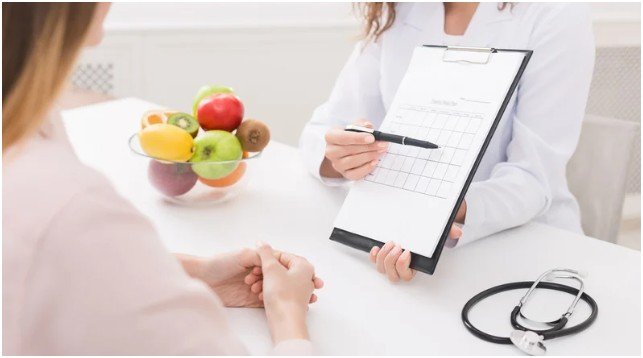
When I was pregnant, I quickly learned that it wasn’t about “eating for two”—it was about eating smarter. Pregnancy demands a lot from your body, and providing it with the right nutrients helps manage everything from nausea and fatigue to strong bones and a healthy heart for your little one.
Think of nutrition during pregnancy as the foundation for everything else: if you’re feeling your best physically, you’re more likely to have the energy and mindset to enjoy the process.
What Does the Best Nutrition Plan for Pregnant Women Look Like?

Okay, let’s get into the details. A solid nutrition plan for pregnant women isn’t about deprivation or following restrictive diets; it’s about incorporating nutrient-dense foods that fuel your body. Here’s what you should aim for:
1. Fill Half Your Plate with Fruits and Vegetables
When I started planning my meals, I made sure at least half of my plate was filled with colorful fruits and vegetables.
You don’t need to follow a strict regimen—just aim to include dark leafy greens (like spinach), bright orange vegetables (think sweet potatoes or carrots), and a variety of fruits.
These foods are packed with essential vitamins, minerals, and fiber, which help with digestion and overall wellness. It’s simple but effective.
2. Whole Grains Are Your Best Friend
Whole grains are a great source of fiber and energy, and they’re so easy to incorporate into your meals. Brown rice, whole-wheat bread, and oats are all staples I relied on.
They helped me avoid the dreaded pregnancy constipation while also providing me with a slow-burning energy boost throughout the day. It’s one of the easiest ways to balance your blood sugar and keep you from feeling sluggish.
3. Lean Protein for Muscle and Development
You’re growing a baby, so your protein needs increase! I made sure to add lean protein sources to every meal—chicken, beans, tofu, and eggs were my go-to choices. Protein is essential for your baby’s growth, especially when it comes to brain and muscle development.
I also made sure to incorporate some fish (low-mercury varieties like salmon and sardines) once or twice a week to get those beneficial omega-3 fatty acids.
4. Dairy and Calcium for Strong Bones
I have a soft spot for dairy products, and thank goodness because calcium is so important during pregnancy!
I tried to include a variety of low-fat dairy in my meals—things like yogurt, cheese, and milk. These foods helped support my baby’s bone and teeth development.
If you’re lactose intolerant or don’t do dairy, there are plenty of fortified plant-based options available.
How to Manage Your Pregnancy Nutrition Without the Stress
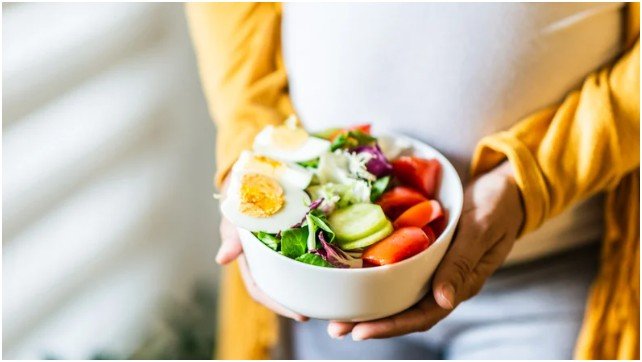
Nutrition during pregnancy can feel like a lot to juggle, but it doesn’t have to be stressful. Here’s how you can take the pressure off while staying nourished:
1. Start Your Day with a Protein-Packed Breakfast
I learned early on that a good breakfast sets the tone for the rest of the day. For me, it was all about protein: scrambled eggs with veggies or a smoothie with Greek yogurt and almond butter. Starting your day with protein stabilizes your blood sugar, helps with nausea, and keeps you full until your next mini-meal.
2. Keep Snacks on Hand
One thing I had to get used to was snacking regularly. Pregnant or not, I’m not a fan of feeling overly hungry, so I kept healthy snacks close by—think almonds, a banana, or a small container of hummus with carrots. This helped me manage hunger without overeating, which was important for digestion and avoiding heartburn.
3. Stay Hydrated
I know, it sounds simple, but drinking water became one of my priorities. When I was dehydrated, I felt worse—nauseous, tired, and irritable. So, I made sure to keep a water bottle with me throughout the day. If plain water wasn’t cutting it, I’d add lemon or cucumber for a refreshing twist.
4. Take Your Prenatal Vitamins
Even with a great diet, I still took my prenatal vitamins to cover any nutritional gaps. My doctor recommended one with folic acid, DHA, and iron, which are essential during pregnancy. Make sure to follow your doctor’s advice when it comes to supplements to ensure you’re getting exactly what you need.
FAQs About Nutrition During Pregnancy
1. What should I eat in the first trimester?
During the first trimester, you don’t need a significant increase in calories, but you do need to focus on getting the right nutrients. Stick with a diet high in folate (think leafy greens, beans, fortified cereals) and iron (lean meats, lentils). Keep small, easy-to-digest meals handy—snacks like crackers or plain toast helped me with nausea.
2. How can I prevent heartburn during pregnancy?
Heartburn is a common pregnancy woe! I found that eating smaller meals throughout the day, avoiding spicy and fatty foods, and not lying down immediately after eating helped a lot. Also, try sipping ginger tea, which has a soothing effect on the stomach. And definitely keep a wedge pillow on hand for sleeping at an elevated angle.
3. Can I have caffeine during pregnancy?
Moderation is key! The general recommendation is to keep caffeine under 200 mg per day. I loved my morning coffee, so I switched to decaf or had a small cup with breakfast. If you’re sensitive to caffeine, you might want to cut it out entirely, but don’t worry—you can still enjoy plenty of other drinks like herbal tea.
4. How do I manage cravings during pregnancy?
Cravings are totally normal! I gave myself permission to indulge occasionally (hello, ice cream!), but I always tried to balance it with healthy foods. When a craving hit, I’d first check if I was actually hungry or just bored. Often, a piece of fruit or a handful of nuts satisfied my sweet tooth while providing nutrients.
Time to Say Goodbye to Perfection
Eating well during pregnancy doesn’t mean being perfect—it means being practical and compassionate with yourself. You’re doing your best, and that’s enough.
Embrace a balanced approach that works for your lifestyle, listen to your body, and make adjustments as needed. Above all, remember that a happy and healthy mom leads to a happy and healthy baby.
Stay nourished, stay kind to yourself, and enjoy the beautiful journey of motherhood!